Property owners confronting sudden infestations rely on pest control services Havre technicians dispatch to secure structural perimeters before harsh Hi-Line weather drives pests deep indoors. Severe winter freezes down to minus thirty degrees Fahrenheit force field mice and voles into basement sills and insulated crawl spaces, while spring thaws trigger rapid boxelder bug and carpenter ant activity.
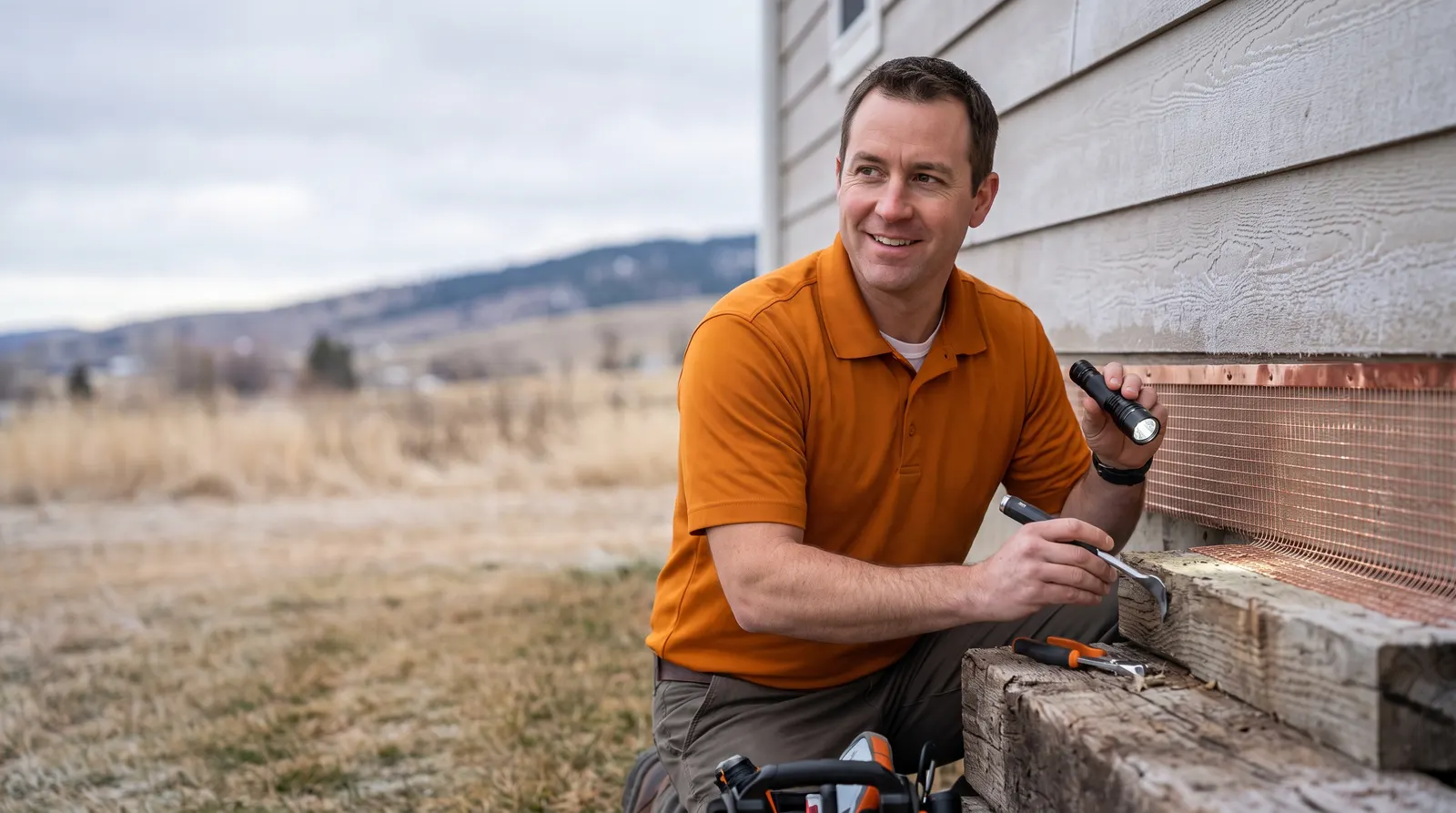
Pest control services in Havre provide targeted chemical applications, physical exclusion barriers, and ongoing monitoring systems engineered to eliminate rodent and insect populations from residential and commercial structures across Hill County.
Every service reflects the same meticulous attention to detail, whether it's a single job or a larger pest control services project across Havre.
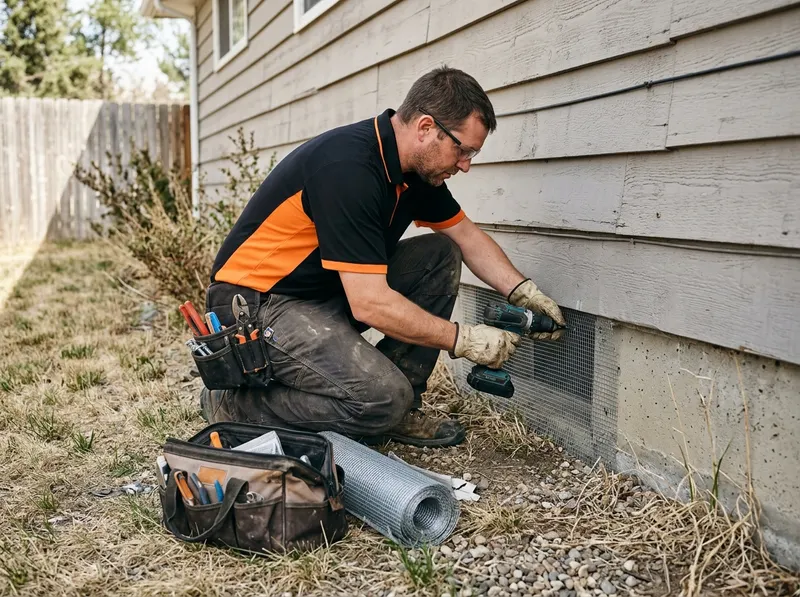
Field mice, deer mice, and northern grasshopper mice exploit gaps as narrow as one-quarter of an inch around foundation vents, daylight basements, mortar joints, and exterior rim joists during seasonal autumn temperature drops across Hill County. Technicians deploy heavy 19-gauge galvanized steel mesh, copper mesh packing, and structural elastomeric sealants along every vulnerable foundation junction. Internal crawlspace and attic assessments locate shredded batt insulation, urine tracking paths, and fecal contamination, identifying specific air-draft routes that pull rodents inward. Exterior bait stations constructed of heavy-duty, tamper-resistant composite polymer are anchored along exterior structural perimeters and loaded with weatherized block formulations designed to remain palatable during minus-twenty-degree freezes. The resulting physical seal denies rodents winter harborage while eliminating internal resident populations through targeted mechanical trapping.
Get a quote →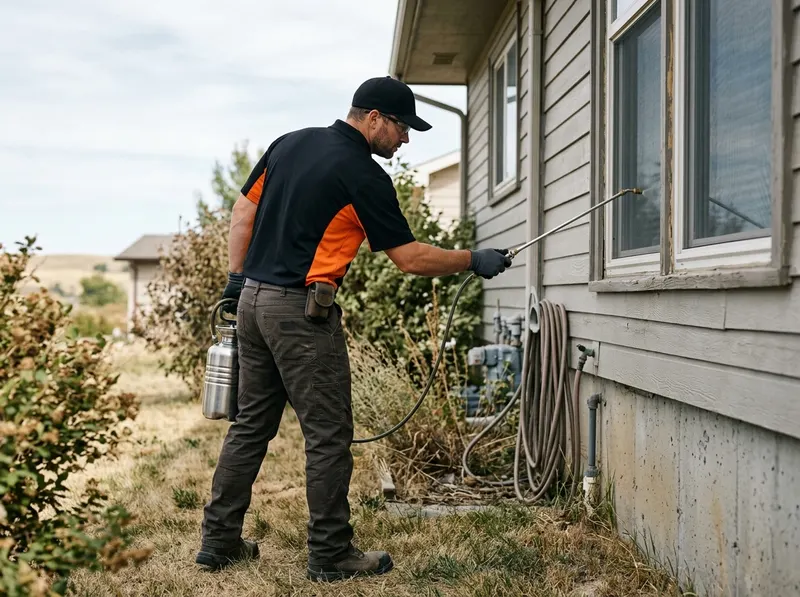
South-facing vinyl siding, brick veneers, and metal window trim absorb solar radiation throughout late summer and early autumn, creating microclimates that attract thousands of migrating boxelder bugs and cluster flies. As temperatures dip below fifty degrees Fahrenheit, these nuisance pests push through soffit vents, window framing, fascia gaps, and siding overlaps to overwinter inside insulated wall voids and attic cavities. Interventions utilize microencapsulated synthetic pyrethroid sprays applied to high-sun exterior elevations, roof peaks, and exterior wall junctions. Microencapsulation protects active chemical particles from rapid solar breakdown and prairie wind erosion, maintaining an active contact barrier for months. Technicians treat attic vent screens and exterior utility entries with silica-based desiccant dusts, desiccating any insects that bypass surface treatments before they can emerge into interior living areas during mid-winter warm spells.
Get a quote →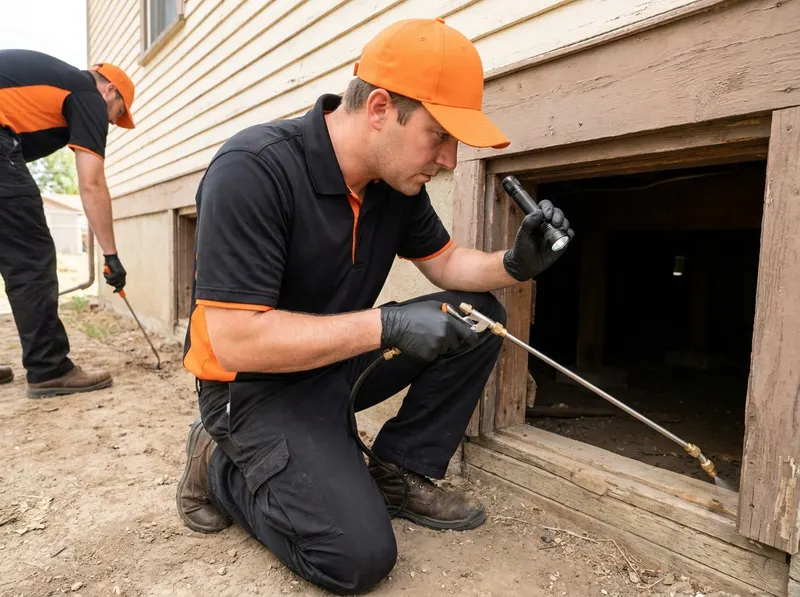
Moisture accumulation caused by roof leaks, poor foundation grading, or plumbing condensation creates softened framing lumber, attracting black carpenter ants to establish satellite nesting galleries in Havre structures. Unlike termites, carpenter ants do not digest cellulose; they excavate smooth tunnels inside structural joists, wall studs, and subfloors to house brood colonies. Service plans deploy undetectable, non-repellent liquid transfer agents around foundation perimeters and foraging trails. Foraging worker ants walk through the active ingredient without avoidance, tracking it deep into structural wall cavities to pass the material to the queen via social grooming. For active indoor colonies, technicians inject pressurized foaming formulations containing residual insecticides directly into wall voids, door jambs, and window framing headers, arresting structural degradation without requiring wall tear-outs.
Get a quote →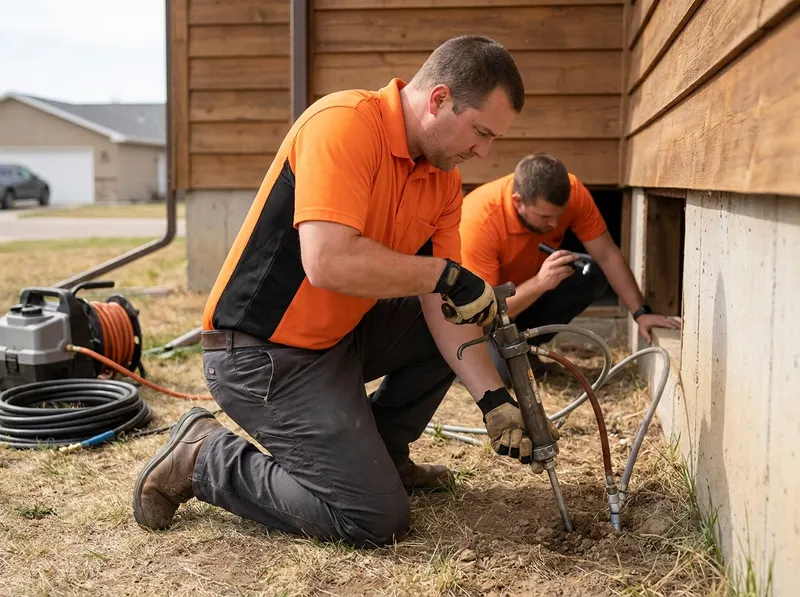
Subterranean termites forage beneath the frost line along the Hi-Line, constructing earthen mud shelter tubes over concrete foundation footings to access untreated structural mudsills, sill plates, and support posts. Standard treatments involve establishing continuous non-repellent liquid chemical zones within the soil adjacent to foundation walls. Technicians trench and rod exterior soil boundaries down to the top of structural footings, applying liquid termiticide that subterranean workers transport back to subterranean colony centers. For structures with finished basements, slab floors, or historic stone foundations, technicians drill discreet holes through concrete floor perimeters at twelve-inch intervals, injecting termiticide into the underlying aggregate before patching the holes with hydraulic cement. Annual visual probing, moisture detection, and targeted cellulose monitoring stations protect real estate investments against undetected frame compromise.
Get a quote →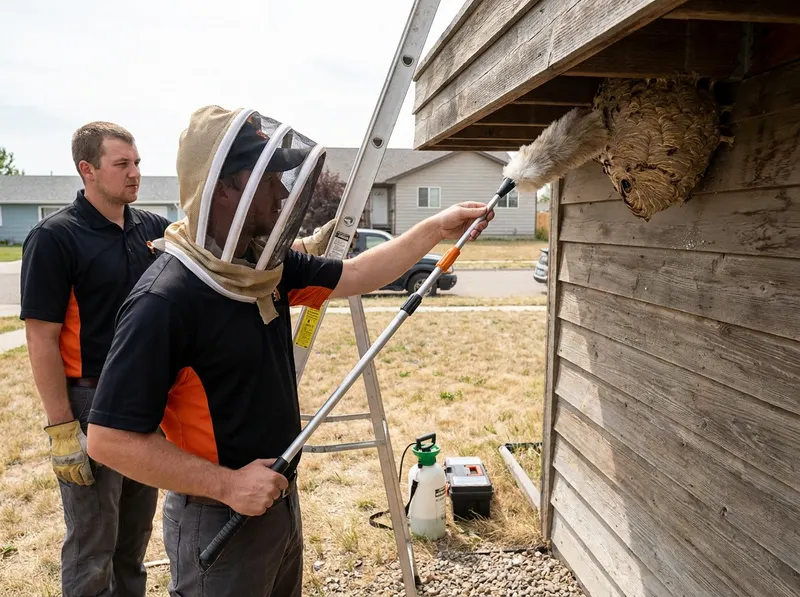
Aerial yellowjackets, umbrella wasps, and bald-faced hornets construct defensive paper-carton nests under roof eaves, porch ceilings, open pole barn rafters, and metal siding corners from late spring through late summer. Nests located near primary building entries present acute sting hazards for occupants and livestock. Technicians deploy high-pressure aerosol contact knockdowns that instantly neutralize flying workers and foraging adults. The structural nest is physically excised, and the attachment footprint is coated with a micro-residual insecticide to eliminate returning foragers and deter newly mated queens from rebuilding on the same anchor point. Technicians inspect attic vents and soffit lines for hidden interior void nests, injecting localized aerosol flushes to prevent aggressive colonies from breaching drywall ceilings into interior residential rooms.
Get a quote →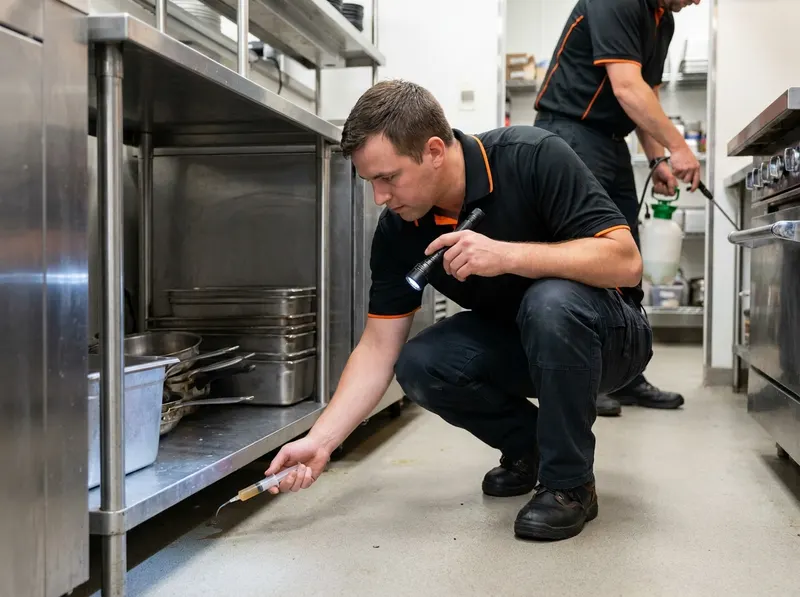
Commercial restaurants, food-processing plants, grain storage facilities, and downtown commercial basements face unremitting pest pressures from German cockroaches, sawtoothed grain beetles, Indian meal moths, and structural rodents. Technicians implement Integrated Pest Management (IPM) protocols tailored to health-code enforcement standards. Service regimens combine bait matrices containing targeted insect growth regulators (IGRs) that prevent insect nymphs from maturing into reproductive adults. Non-drying pheromone sticky boards and electronic data loggers are strategically placed along equipment motor housings, refrigeration lines, and food staging shelves to pinpoint population shifts. Detailed mechanical recommendations instruct facility staff on floor drain sanitation, dock plate weather-stripping, and pallet storage clearance to ensure total regulatory compliance and food safety.
Get a quote →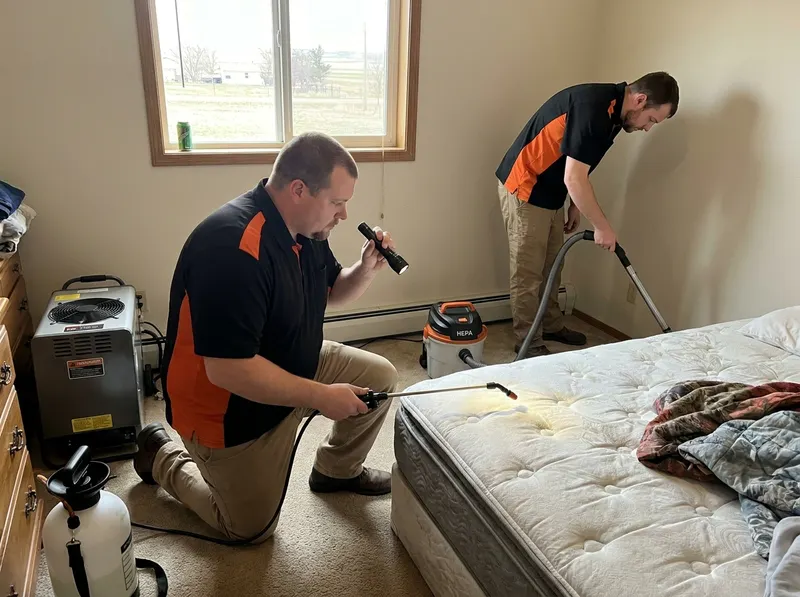
Bed bugs exploit shared wall cavities, baseboards, electrical conduits, and furniture framing in hospitality properties, multi-family housing complexes, and single-family residences. Eradication combines comprehensive physical room preparation, targeted insecticidal contact sprays, and long-residual insect growth regulators applied to mattresses, box springs, headboards, and structural perimeter baseboards. Technicians dismantle bed frames to access concealed joints, treating screw holes, behind wall hangings, and within electrical junction boxes using amorphous silica dust formulations that pierce the bed bug's protective waxy cuticle. Certified mattress and box spring encasements trap any residual unhatched eggs, while sequential follow-up inspections conducted at fourteen-day intervals guarantee the complete eradication of emerging nymphs before they reach reproductive maturity.
Get a quote →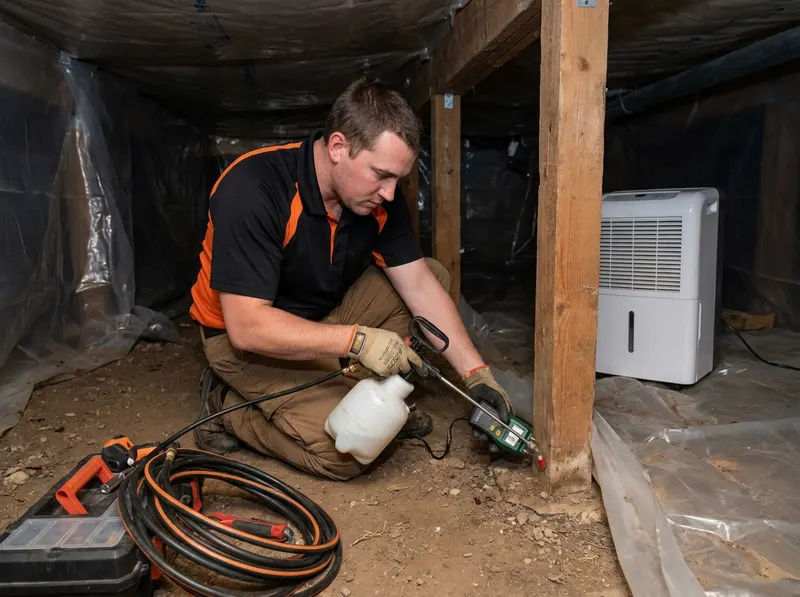
Unsealed earthen crawlspaces under older Havre residences release heavy ground moisture into structural subfloors, fostering environments where silverfish, sowbugs, millipedes, earwigs, and cellar spiders proliferate. Technicians apply long-lasting inorganic borate dusts into crawlspace block cores, joist pockets, and foundation sill junctions where damp wood gathers. Exposed earth floors are evaluated for high moisture saturation, and perimeter chemical applications target the soil-to-wood interface to halt insect migration toward main-floor living quarters. Lowering ambient subterranean humidity via crawlspace vent screening and perimeter drainage guidance breaks the biological moisture cycle, eliminating fungal food sources and denying shelter to humidity-dependent pest populations.
Get a quote →You get a firm, itemized quote for your pest control services before any work begins, no surprises, no pressure.
Careful prep, tidy work, and a full cleanup when we are done. We treat your home and belongings like our own.
The same trusted, background-checked team from the first call to the final check.
Selecting structural pest interventions requires matching the target pest biology to building architecture and microclimatic exposure. If dealing with seasonal field mice invading crawlspaces during the October freeze, choose structural exclusion and tamper-resistant exterior bait stations. If managing cluster flies, boxelder bugs, or paper wasps gathering on sunny lap siding, choose residual perimeter barrier sprays.
If moisture intrusion along an aging sill plate has attracted wood-boring insects, choose targeted structural void injection with non-repellent transfer chemistry. The trade-off centers on upfront mechanical labor versus seasonal maintenance cycles: physical exclusion requires higher initial installation fees to seal building gaps larger than one-quarter inch, yet permanently reduces ongoing chemical dependency inside living zones; conversely, exterior perimeter residual barriers demand bi-annual or quarterly reapplication to combat intense ultraviolet degradation, prairie dust accumulation, and sub-zero freeze cycles along the Hi-Line corridor. For high-traffic agricultural outbuildings and multi-family units, automated monitoring grids balance chemical usage with early-stage intervention.
Every project gets a firm, written price after a free on-site visit. Ranges below for orientation.
Tell us about your pest control services job and we'll send a clear, written quote, usually the same day. Or just call and talk to a real Havre pro.
(406) 808-6022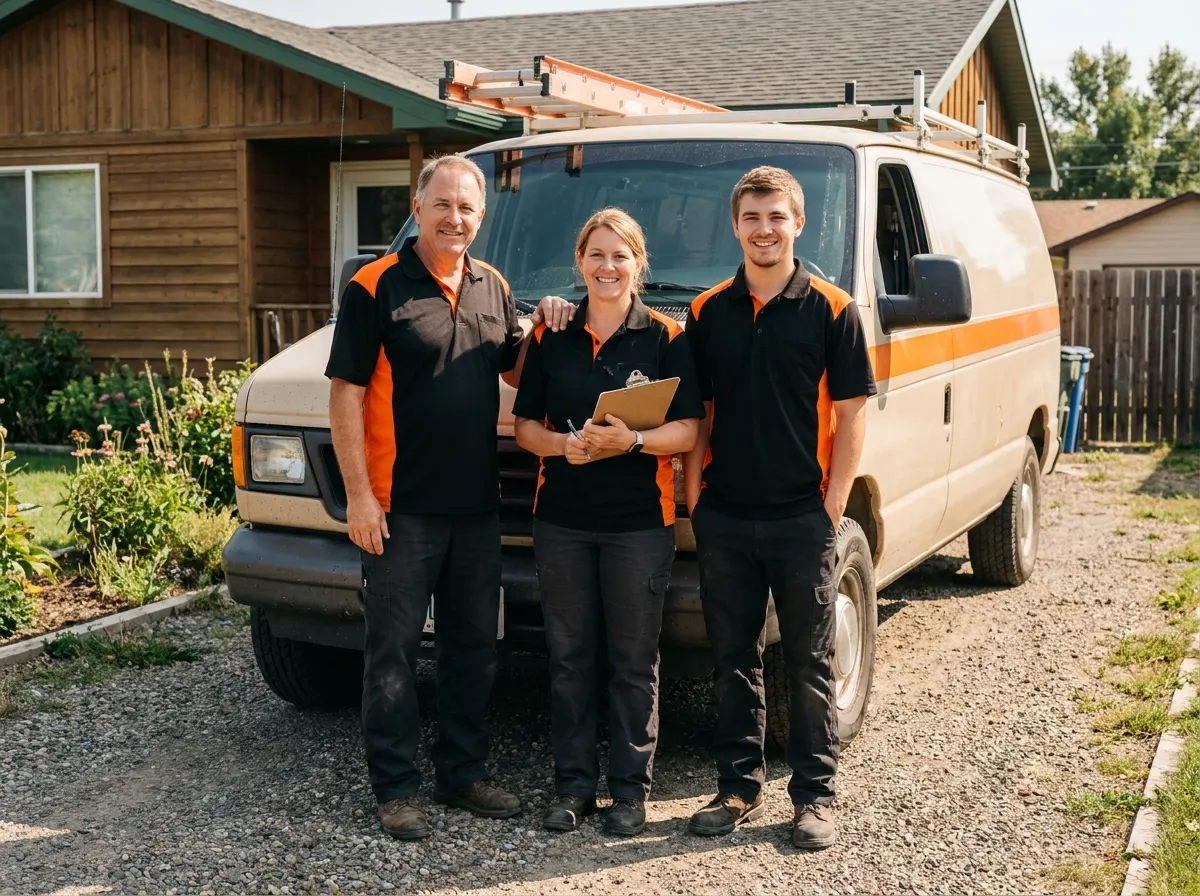
Havre sits along the Milk River valley where extreme temperature deltas swing from ninety-five degrees Fahrenheit in July to thirty-five below zero in January, driving rodents and field insects directly toward heated foundation margins and insulated structural walls. Historic masonry buildings in the Downtown Havre Historic District near Havre Beneath the Streets feature interconnected basement voids, rough fieldstone foundations, and historic utility tunnels that allow mice, sewer flies, and cockroaches to traverse full city blocks subterraneanly without ever encountering outdoor air. In residential neighborhoods bordering open rangeland, such as Highland Park, Meadowlark, and the Saddle Butte area, expansive native prairie dog colonies and uncultivated native grasslands push massive numbers of deer mice, prairie spiders, and boxelder bugs into adjacent home envelopes during seasonal agricultural harvests and autumn cold snaps. Structures situated near the Montana State University Northern Campus Area and Sunnyside frequently manage carpenter ant incursions driven by legacy cottonwood trees and aging timber retaining walls, while properties along North Havre face high water tables and spring runoff from the Milk River that elevate crawlspace humidity and drive moisture-loving insects upward through subfloor plates.
Free estimates for Havre & the surrounding area.
 Varnexa Pest Defense